
When Everything Tilts: Your First Managerial Crisis, Handled
This page dives into crisis communication drills for first-time managers, turning uncertainty into practical steps you can rehearse today. You will learn to craft holding statements, align channels, run quick simulations, and debrief confidently, so your team trusts your voice when pressure spikes and seconds matter.
Foundations for Calm Action
Start by embracing clarity, speed, and consistency as guiding lights. New managers often worry about saying the wrong thing; drills transform that fear into structured action. We will practice short decision loops, audience prioritization, and message alignment, so even messy facts can be framed honestly, responsibly, and fast without fueling unnecessary panic.
Voice, Tone, and Empathy Under Scrutiny
Words carry weight during uncertainty. Your tone can either inflame defensiveness or invite partnership. We will rehearse warmly direct language, avoid hedging, and lean on verifiable facts. Scripts are not cages; they are scaffolds that help you stay human, concise, and courageous while acknowledging feelings without erasing responsibility.
Drills That Build Automatic Habits
Habits harden under stress; drills build the right ones before alarms ring. We design lightweight repetitions you can run weekly without executive permission. Frequent practice demystifies roles, shortens coordination, and strengthens trust. Consider them seatbelts for communication, quietly present, rarely flashy, always decisive when turbulence arrives unexpectedly.



Channels, Tools, and Traceability
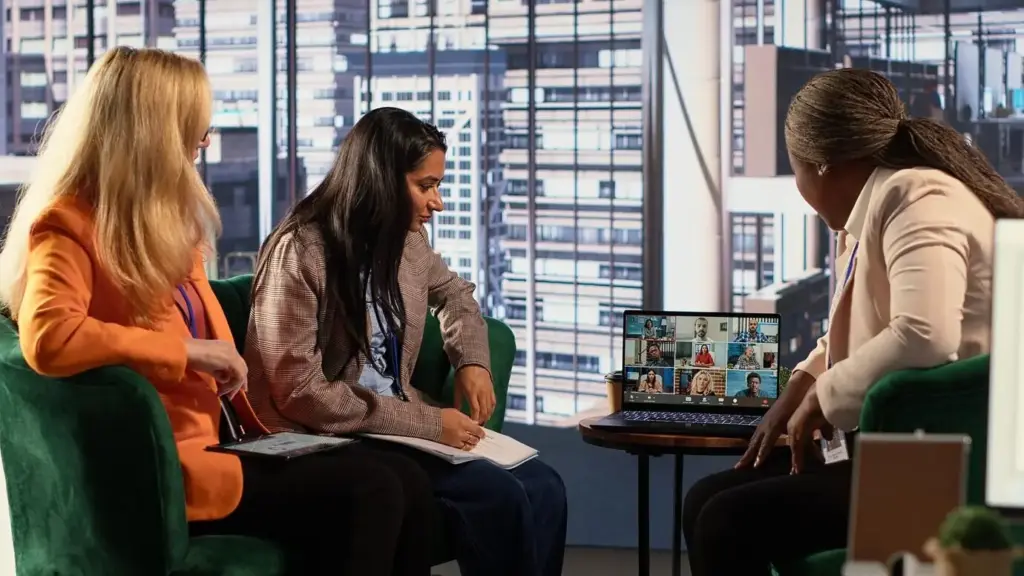
Channels shape expectations. Choose tools that fit urgency, auditability, and audience reach, then rehearse exactly how and when to use them. Version control your statements, preserve timestamps, and centralize sources of truth. Clear pathways prevent rumor spirals and allow focused collaboration when minutes genuinely translate into reputational or safety outcomes.
Humans First: Nerves, Trust, and Recovery
Normalize Adrenaline
Teach managers that shaky hands and racing thoughts are normal signals, not personal failures. Open every drill with a grounding breath and a check-in question. Normalize mistakes as data. Capture emotional insights in debrief notes alongside metrics, turning feelings into fuel for focused, practical, continuous improvement.
Debrief With Psychological Safety
Structure reflections that ask what went well, what felt hard, and what we will change next time. Ensure no recording becomes a blame ledger. Rotate facilitators, surface quieter voices, and summarize action items publicly. Psychological safety is measurable when people volunteer risks early and return eagerly to practice.
Buddy System and Shadowing
Pair new managers with experienced communicators for shadowing across real incidents and drills. Buddies rehearse handoffs, co-write statements, and exchange candid feedback. This reduces isolation, accelerates judgment, and spreads good habits. Encourage pairs to publish short reflections so the wider team benefits from practical discoveries.
Measure Readiness and Keep Improving
Readiness lives in numbers and narratives. We will track response times, message clarity, stakeholder satisfaction, and drill frequency, then turn insights into improvements. Expect progress to be uneven. Celebrate honest baselines, share scorecards transparently, and invite readers to suggest scenarios we should test together next quarter.

All Rights Reserved.